
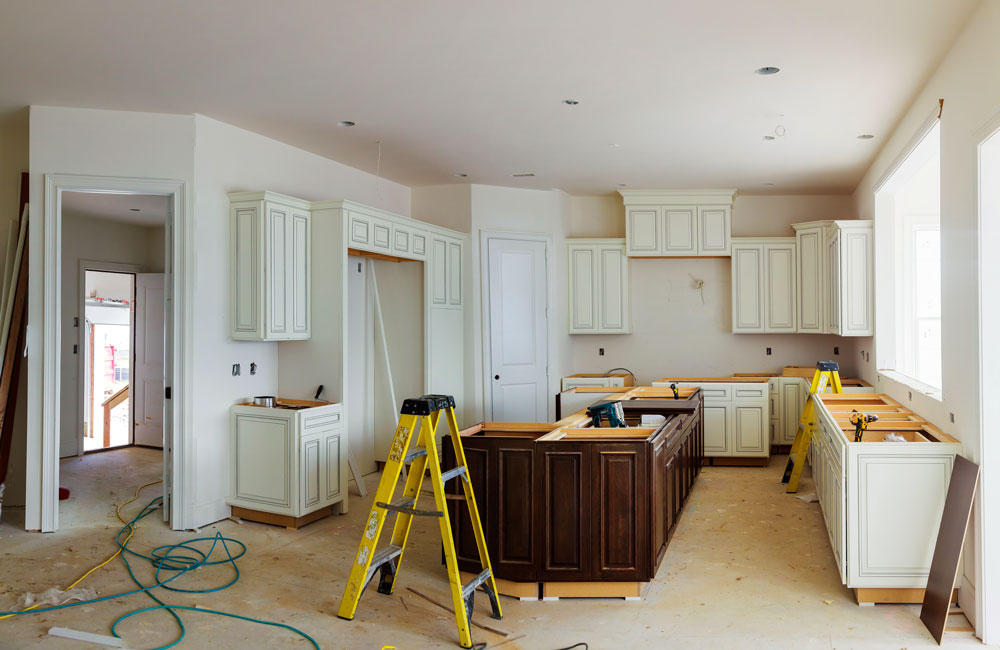
Picture this. A homeowner spends months preparing to sell, investing thousands into trendy features they personally love. When the home finally hits the market, buyers barely notice those upgrades. Meanwhile, a neighboring property with simple, strategic updates attracts multiple offers within days.
The difference often comes down to making the right improvements instead of simply making more improvements.
If you’re planning to sell, every dollar you invest should serve a purpose. The goal is not to create your dream home. The goal is to make your property more appealing to future buyers while maximizing your return. Understanding which upgrades truly matter can help you avoid costly mistakes and focus on changes that deliver results.
Key Takeaways
- Strategic renovations can increase buyer interest and improve resale potential.
- Not all remodeling projects offer the same return on investment.
- Focus on functionality, appearance, and buyer expectations.
- Small updates can sometimes deliver bigger returns than major renovations.
What Are the Best Home Improvements?
The best home improvements are upgrades that enhance a property’s appearance, functionality, efficiency, and overall market appeal while providing a strong return when the home is sold.
Many homeowners assume bigger renovations always generate higher profits. In reality, buyers often value well-maintained homes with thoughtful upgrades more than homes filled with expensive but unnecessary features.
As architect Frank Lloyd Wright once said:
“The longer I live, the more beautiful life becomes.”
The same principle applies to homes. Beauty often comes from thoughtful improvements that make daily living easier and more enjoyable.
Why Smart Upgrades Matter Before Selling
Today’s buyers are more informed than ever. They compare listings online, analyze property photos, and often make decisions before stepping through the front door.
This means every improvement should support one of three goals:
- Create a strong first impression.
- Improve functionality.
- Reduce future maintenance concerns.
When these goals align, your property becomes more attractive to buyers and may command stronger offers.
The 10 Best Home Improvements for a Higher Resale Value
1. Refresh Interior Paint
Fresh paint remains one of the most affordable and effective upgrades available.
Neutral colors help buyers imagine themselves living in the home. Bright or highly personalized colors can become distractions.
A freshly painted home feels cleaner, newer, and better maintained, often making rooms appear larger and brighter.
2. Upgrade the Kitchen
The kitchen is often considered the heart of the home.
You do not necessarily need a complete remodel. Even minor improvements such as updated cabinet hardware, modern lighting fixtures, new countertops, or upgraded appliances can significantly improve buyer perception.
Many homeowners focus on the kitchen because of its strong kitchen remodel return on investment potential compared to other remodeling projects.
3. Modernize Bathrooms
Bathrooms are another area buyers closely evaluate.
Simple upgrades can include:
- Replacing outdated fixtures
- Installing modern mirrors
- Updating lighting
- Regrouting tile
- Replacing worn vanities
A clean, modern bathroom creates confidence that the home has been properly maintained.
4. Improve Curb Appeal
First impressions begin before buyers enter the house.
Simple curb appeal improvements may include:
- Fresh mulch
- Trimmed landscaping
- Power washing
- Updated house numbers
- New exterior lighting
- A freshly painted front door
According to the National Association of Realtors Remodeling Impact Report, landscaping upgrades can provide meaningful value and increase buyer interest. Source: https://www.nar.realtor/research-and-statistics/research-reports/remodeling-impact-report
5. Replace Worn Flooring
Old flooring immediately attracts attention, and not in a good way.
Replacing stained carpet, refinishing hardwood floors, or installing modern flooring materials can transform a home’s appearance.
Buyers often associate new flooring with reduced maintenance costs after purchase.
6. Invest in Energy Efficiency
Energy-efficient home upgrades continue to attract attention from buyers seeking long-term savings.
Popular options include:
- Improved insulation
- Smart thermostats
- Energy-efficient windows
- LED lighting
- Updated HVAC systems
These improvements provide both comfort and potential utility savings.
7. Update Lighting Throughout the Home
Lighting influences how buyers perceive space.
Dark rooms often feel smaller and less inviting. Modern fixtures can instantly create a more contemporary atmosphere.
Layering ambient, task, and accent lighting helps showcase the home’s best features.
8. Enhance Storage Solutions
Storage remains a priority for many buyers.
Simple improvements might include:
- Closet organization systems
- Garage shelving
- Pantry storage upgrades
- Built-in cabinets
Well-organized storage areas help buyers visualize a clutter-free lifestyle.
9. Create Functional Outdoor Living Spaces
Outdoor spaces have become increasingly desirable.
A well-maintained patio, deck, or backyard gathering area extends usable living space and appeals to families and entertainers alike.
Even modest outdoor upgrades can make a property feel larger and more versatile.
10. Stage the Home Strategically
Many sellers underestimate the relationship between home staging and property value.
Proper staging highlights a home’s strengths while minimizing distractions.
Effective staging includes:
- Decluttering
- Rearranging furniture
- Improving lighting
- Removing overly personal décor
The goal is to help buyers emotionally connect with the property.
A Simple Framework for Choosing Upgrades
Before spending money, use the VALUE Framework:
V – Visibility
Will buyers immediately notice the improvement?
A – Appeal
Does it make the home more attractive to a broad audience?
L – Longevity
Will the improvement remain useful for years?
U – Usability
Does it improve daily living?
E – Efficiency
Does it reduce maintenance or operating costs?
Projects that score highly across all five areas often provide the strongest results.
Comparison Table: Which Improvements Deliver the Most Impact?
| Improvement | When It Helps | Simple Cue | Common Mistake |
| Interior Paint | Before listing | Neutral colors | Choosing trendy colors |
| Kitchen Updates | Outdated kitchens | Modern finishes | Over-customizing |
| Bathroom Updates | Older bathrooms | Clean fixtures | Luxury overspending |
| Flooring Replacement | Visible wear | Consistent flooring | Mixing styles |
| Landscaping | Weak curb appeal | Clean exterior | Ignoring maintenance |
| Energy Efficiency | Older homes | Lower utility costs | Overinvesting |
| Lighting Updates | Dark interiors | Bright spaces | Poor fixture placement |
| Home Staging | Before showings | Decluttered rooms | Personalizing spaces |
Common Misconceptions About Renovations
Bigger Budgets Always Mean Bigger Returns
Not necessarily.
Luxury upgrades often appeal to a smaller group of buyers. Practical improvements frequently deliver stronger home renovation ROI because they address concerns shared by most purchasers.
Every Room Needs Remodeling
Many successful sales occur without major renovations.
Instead, focus on value-adding home improvements that improve appearance, comfort, and functionality.
Personal Taste Helps Sell Homes
Buyers want to imagine their own lives in the property. Neutral designs generally appeal to a wider audience.
A Real-World Example
Imagine two homeowners preparing to sell similar properties.
The first spends a large budget installing luxury features that reflect personal preferences. The second focuses on home improvements that increase home value such as fresh paint, updated lighting, landscaping, and bathroom updates.
When buyers tour both homes, the second property often feels move-in ready. Buyers can envision living there immediately, which frequently translates into stronger interest and better offers.
This example illustrates why the best upgrades before selling a house are often practical rather than extravagant.
Working With Local Market Expectations
Every market has unique buyer preferences.
For example, homeowners looking to Sell homes by Detroit neighborhood should understand that buyer expectations can vary significantly between communities. Knowing which features local buyers prioritize can help sellers invest wisely and avoid unnecessary expenses.
At Realty In The D, understanding neighborhood trends helps sellers identify home upgrades for resale value that align with current market demand.
Conclusion
Preparing a home for sale is not about chasing every renovation trend. It is about making thoughtful improvements that create a positive impression and address buyer priorities.
The best home improvements focus on functionality, appearance, efficiency, and long-term value. Whether you update a kitchen, improve landscaping, refresh paint, or modernize lighting, strategic investments can help position your property for a stronger sale.
Before starting any project, evaluate its potential impact, consider local buyer expectations, and focus on improvements that genuinely enhance the home’s appeal.
Summary
Increasing resale value does not require a complete home transformation. Thoughtful updates such as kitchen improvements, bathroom renovations, landscaping, flooring upgrades, and energy-efficient features often provide the greatest benefits. By focusing on buyer preferences and practical enhancements, homeowners can maximize appeal and improve their chances of achieving a successful sale. Realty In The D helps sellers understand which improvements are most likely to resonate within their local market.
Frequently Asked Questions
1. What are the best home improvements for increasing resale value?
The most effective projects typically include kitchen updates, bathroom improvements, fresh paint, curb appeal enhancements, flooring upgrades, and energy-efficiency improvements.
2. How much should I spend on upgrades before selling?
The ideal budget depends on your home’s condition, location, and market expectations. Focus on projects that offer strong value without over-improving the property.
3. Are energy-efficient upgrades worth making before selling?
Yes. Many buyers appreciate lower utility costs and modern efficiency features, making these upgrades attractive selling points.
4. How can Realty In The D help me prepare my home for sale?
Realty In The D can provide market insights, recommend strategic improvements, and help position your property to attract qualified buyers.
5. Should I stage my home before listing it?
In many cases, yes. Proper staging can improve presentation, highlight key features, and help buyers visualize themselves living in the home.