
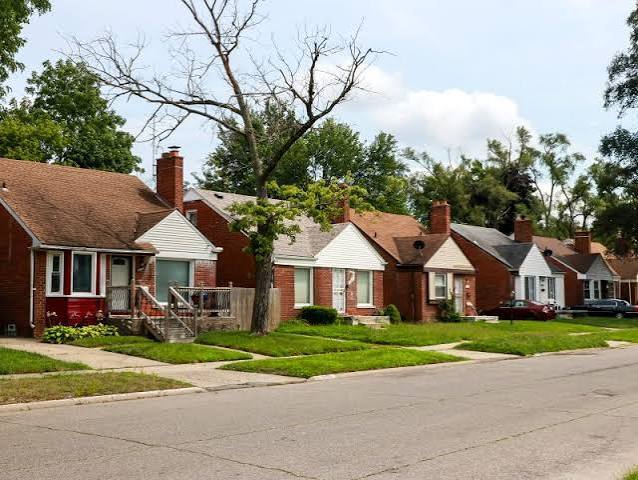
A first-time buyer may picture a home with a welcoming front porch, a little room to grow, and a monthly payment that leaves space for everything else in life. Then the search begins, and the challenge becomes clear. Finding a home that looks affordable is one thing. Finding one that fits the budget, needs, and long-term plans is another.
Detroit offers homebuyers a range of neighborhoods, property styles, and price points to explore. Some buyers may prefer a traditional single-family home with a yard. Others may be comfortable with a smaller property that needs updating. The right choice depends on more than the listing price.
For anyone searching for affordable homes in Detroit, a thoughtful neighborhood search can make the process less overwhelming. Understanding property conditions, everyday conveniences, and the full cost of ownership can help buyers find opportunities that make sense for their lives.
Key Takeaways
- Detroit has a variety of neighborhoods worth exploring for budget-conscious homebuyers.
- The lowest-priced property is not always the most affordable choice over time.
- Property taxes, insurance, repairs, and closing costs should be part of the buying budget.
- Comparing neighborhoods, reviewing listings, and inspecting properties can help buyers make informed decisions.
Why Detroit Deserves a Closer Look for Budget-Conscious Buyers
Detroit offers a broad mix of residential properties, from historic houses and traditional brick homes to smaller starter properties and homes that need renovation. This variety gives buyers different ways to approach homeownership.
Some buyers want a move-in-ready home. Others are willing to take on cosmetic improvements if the property suits their needs. Investors may look for properties that fit a renovation plan or rental strategy.
The important thing is to define affordability before browsing listings.
A home that appears inexpensive may need major repairs. Another property with a higher asking price may require fewer immediate improvements. Comparing the complete financial picture helps buyers understand which option offers better value for their circumstances.
According to current Detroit housing market data, Detroit’s typical home value was reported at $74,742 as of September 2026. This figure is a marketwide estimate, not a guaranteed purchase price. Individual homes can vary considerably by location, size, condition, and features.
For buyers, the takeaway is simple. Research should begin with the budget, but it should not end with the asking price.
Where to Explore Affordable Detroit Neighborhoods
The best neighborhood depends on what a buyer values most. Commute time, property condition, access to everyday services, and preferred home style can all influence the decision.
Rather than choosing an area based on price alone, buyers can explore several parts of Detroit and compare what each offers.
East English Village and Nearby East Side Areas
Buyers interested in established residential streets may want to explore East English Village and surrounding east-side communities.
This part of Detroit offers traditional residential housing and a neighborhood setting that may appeal to people looking for a long-term home. Buyers can investigate available properties, compare home styles, and determine whether the area suits their daily routines.
When evaluating homes, it is important to look beyond the exterior. Roof condition, plumbing, electrical systems, windows, and previous renovations can affect the cost of ownership.
Nearby areas may offer different property styles and price points, so comparing listings across adjoining neighborhoods can broaden the search.
Warrendale and West Side Communities
Warrendale is another area worth considering for buyers exploring residential properties on Detroit’s west side.
Buyers may find a range of houses with different layouts, lot sizes, and maintenance needs. This can make the area useful for comparing options based on household size and practical requirements.
Before choosing a property, buyers should consider access to work, grocery stores, healthcare, public transportation, and other regular destinations. A home that meets the budget but creates an inconvenient daily commute may not be the best overall fit.
Exploring nearby west-side communities can also help buyers understand how property options differ from one street or section to another.
Brightmoor and Northwest Detroit
Brightmoor and other northwest Detroit areas may be worth exploring for buyers seeking additional options beyond more widely discussed neighborhoods.
Property availability, condition, and surrounding amenities can vary significantly. Some listings may appeal to buyers looking for a home they can improve gradually, while others may suit people who prefer fewer immediate projects.
A careful inspection is particularly important when considering a property that needs work. Buyers should understand which repairs are cosmetic and which could affect safety, structural integrity, or the home’s major systems.
It is also helpful to visit the area at different times of day and review the services available nearby.
Old Redford and Surrounding Neighborhoods
Old Redford may appeal to buyers looking for a residential setting in northwest Detroit.
As with other areas, the best opportunity depends on current listings and the condition of individual properties. Buyers should compare the home’s layout, maintenance requirements, access to everyday conveniences, and overall cost rather than assuming every property in the area offers the same value.
Exploring surrounding neighborhoods can reveal additional choices that match a buyer’s priorities.
East Side Communities Near Morningside
Morningside and nearby east-side areas can provide additional options for buyers comparing residential properties.
A practical search should consider the type of home available, the amount of work required, and how comfortably the property fits the household’s budget. Buyers who need multiple bedrooms, outdoor space, or room for a home office should compare these needs with the available housing stock.
Neighborhood research should always be paired with property-level research. The condition and costs of one house may differ considerably from those of another nearby.
Neighborhoods are starting points for research, not guarantees of affordability. Current listings, comparable sales, property conditions, and individual budgets should guide the final decision.
How to Choose the Right Neighborhood for the Budget
A useful neighborhood search begins with a clear understanding of what the buyer can comfortably afford.
The goal is not simply to find a house within a lender’s approval limit. It is to find a home that allows the household to manage regular expenses, prepare for repairs, and maintain financial flexibility.
Start With the Total Monthly Cost
The mortgage payment is only one part of homeownership.
Buyers should also account for property taxes, homeowners insurance, utilities, routine maintenance, and possible homeowners association fees. If a property needs repairs, those expenses should be considered before making an offer.
A realistic budget helps narrow the search and reduces the temptation to choose a home that creates financial pressure later.
Compare Location With Daily Needs
A neighborhood should support the buyer’s everyday life.
Consider the distance to work, schools, grocery stores, healthcare, parks, and family responsibilities. Transportation expenses and commute times can influence whether a property is practical over the long term.
A slightly less expensive house may not be the best choice if its location adds substantial costs or inconvenience.
Review the Property’s Condition
A home that needs cosmetic updates may be manageable for some buyers. Major structural concerns or failing systems can be more difficult and expensive to address.
Buyers should review disclosures, arrange appropriate inspections, and obtain repair estimates when needed. These steps can help reveal whether a property’s asking price reflects the work required.
A Simple Framework for Buying a Home on a Budget
Buyers can use this practical framework to organize their search and compare opportunities.
1. Define the budget. Establish a comfortable purchase range and estimate the ongoing costs of ownership.
2. Choose priority neighborhoods. Identify areas that fit the buyer’s preferred location, home style, commute, and everyday needs.
3. Compare available properties. Review asking prices, recent comparable sales, property features, and maintenance requirements.
4. Inspect before committing. Arrange a professional home inspection and investigate concerns that may affect safety, condition, or future expenses.
5. Review the complete financial picture. Consider financing, taxes, insurance, closing costs, and expected repairs before deciding whether to proceed.
Following these steps can help buyers approach the process with greater clarity. It also creates a consistent way to compare properties rather than making decisions based on appearance or urgency.
What to Compare When Searching for Affordable Homes in Detroit
Two houses can have similar asking prices but very different ownership costs. A comparison table can help buyers identify the questions that matter most.
| Factor | What to review | Why it matters |
| Purchase price | Asking price and comparable sales | Helps assess whether the property is reasonably priced |
| Property condition | Roof, foundation, plumbing, electrical systems | Reveals possible repair expenses |
| Property taxes | Current tax information and applicable assessments | Helps estimate ongoing ownership costs |
| Location | Commute, services, transportation, and amenities | Determines how well the home fits everyday needs |
| Insurance | Coverage options and estimated premiums | Affects the total monthly budget |
| Future maintenance | Age of major systems and visible wear | Helps prepare for upcoming expenses |
Buyers should use current property records and professional advice where appropriate. Tax amounts, insurance costs, and repair estimates can differ from one property to another.
Common Mistakes to Avoid When Buying on a Budget
Choosing the Lowest Asking Price Automatically
A low price can attract attention, but it does not reveal everything about a home’s condition or suitability.
Buyers should investigate why a property is priced as it is. Necessary repairs, deferred maintenance, or other property-specific concerns may affect the overall value.
Underestimating Closing Costs
Closing costs can include lender fees, appraisal expenses, title-related charges, prepaid expenses, and other transaction costs. The exact amount depends on the transaction and financing arrangements.
Buyers should request an estimate early and keep enough funds available to complete the purchase without exhausting their savings.
Skipping Inspections
A property may look attractive during a showing while concealing issues that require further investigation.
A professional inspection can help identify concerns and support better-informed decisions. If significant problems appear, buyers can discuss possible next steps with their real estate professional and other relevant experts.
Assuming Every Neighborhood Offers the Same Experience
Detroit neighborhoods differ in housing styles, available services, property conditions, and everyday surroundings.
Buyers should visit areas, explore their immediate surroundings, and evaluate each property individually. General impressions should not replace direct research.
Planning Around Uncertain Future Appreciation
Some buyers hope their property will increase in value. However, future appreciation is never guaranteed.
A sensible purchase should meet current housing needs and remain financially manageable even if property values do not rise as expected.
How Real Estate Guidance Can Help Buyers Find the Right Fit
Searching for a home can become complicated when buyers compare several neighborhoods, property conditions, financing options, and competing priorities.
A real estate professional familiar with Detroit can help organize the search, identify potentially suitable listings, arrange tours, review comparable properties, and support negotiations. Buyers can also benefit from having someone help them understand the steps between making an offer and closing.
Reality in the D provides residential buying services focused on Detroit, including personalized property searches, neighborhood guidance, home tours, property evaluation, and negotiation support.
The most useful guidance is tailored to the buyer’s circumstances. A first-time buyer may need help understanding the purchase process, while a buyer with renovation plans may need to focus more closely on property condition and repair considerations.
For anyone planning to buy residential property in Detroit, MI, clear priorities and informed guidance can make the search more manageable.
Final Thoughts
Buying a home does not require finding a perfect property immediately. It requires understanding what matters most, researching the available options, and recognizing the difference between a low asking price and a home that is affordable over time.
Detroit offers different neighborhoods and housing styles for buyers to explore. By setting a realistic budget, comparing properties carefully, and accounting for ongoing costs, buyers can approach the search with greater confidence.
The best home is not necessarily the cheapest one on the market. It is the one that fits the buyer’s needs, financial circumstances, and plans for the future.
For personalized help exploring affordable homes in Detroit, contact Realty In The D at (248) 672-8837 or lvirkus@me.com to discuss property options and neighborhood priorities.
FAQ
1. Where can buyers look for affordable homes in Detroit?
Buyers can explore areas such as Warrendale, Brightmoor, Old Redford, East English Village, and Morningside as starting points. Actual affordability depends on current listings, property condition, and the buyer’s budget.
2. Are cheap houses in Detroit a good choice for first-time buyers?
They can be, provided the property meets the buyer’s needs and the total cost remains manageable. Buyers should review the home’s condition, taxes, insurance, repair needs, and financing costs before making a decision.
3. What costs should buyers consider besides the purchase price?
Buyers should account for closing costs, property taxes, insurance, utilities, maintenance, and repairs. These expenses can significantly affect the amount a household needs to own a home comfortably.
4. How can buyers compare Detroit neighborhoods?
Buyers should compare current listings, recent comparable sales, property conditions, commute times, available services, and overall ownership costs. Visiting neighborhoods and reviewing individual properties can provide a clearer picture than relying on asking prices alone.
5. How can Realty In The D help someone buying a home in Detroit?
The business offers personalized property searches, neighborhood guidance, home tours, property evaluation, and negotiation support to help buyers explore options that fit their goals and budgets.