
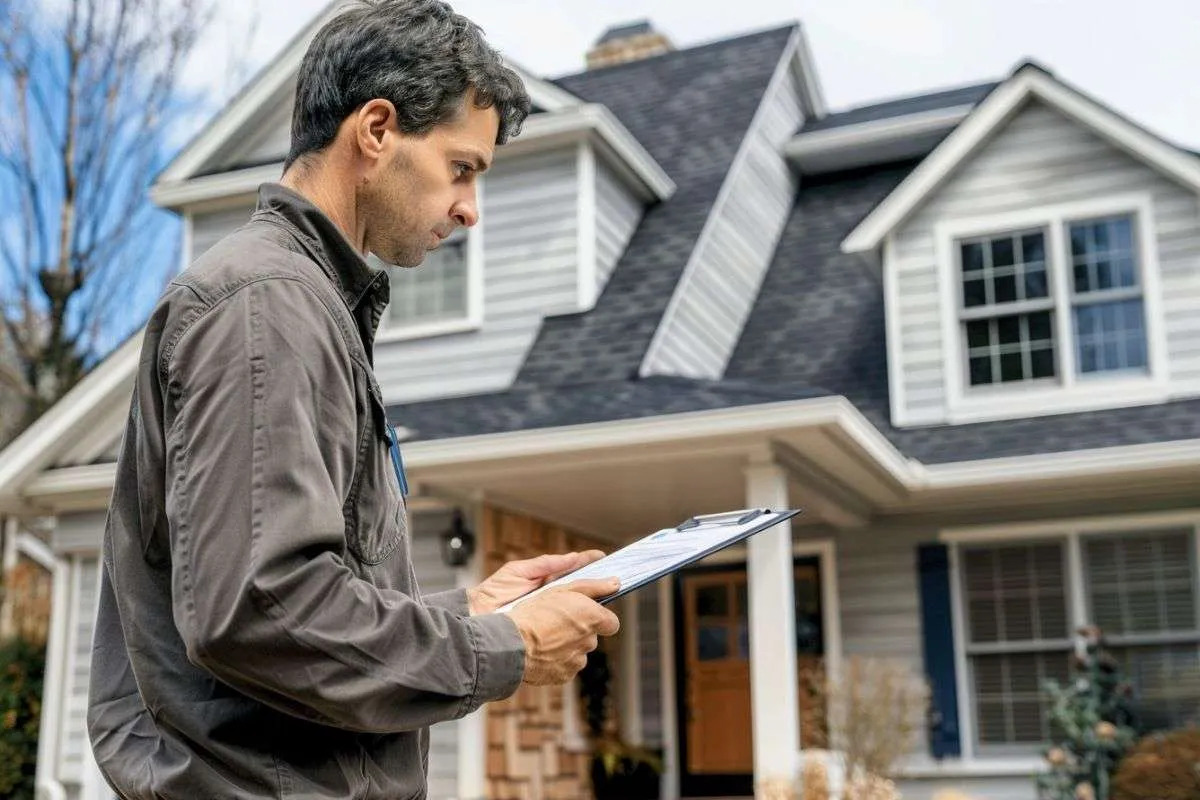
Imagine finding the perfect home. The neighborhood feels right, the layout fits your lifestyle, and you can already picture yourself settling in. Then a few weeks after moving in, a hidden plumbing leak appears behind a wall, or the roof begins showing signs of expensive damage. Situations like these are exactly why a thorough inspection matters before you commit to a purchase.
A home inspection is more than a formality. It is an opportunity to understand the true condition of a property and identify potential concerns before they become costly surprises. Whether you are purchasing your first home or adding another property to your portfolio, a detailed home inspection checklist can help you make a more informed decision.
Key Takeaways
- A professional inspection helps uncover issues that may not be visible during a showing.
- Structural systems, roofing, plumbing, electrical components, and HVAC systems deserve close attention.
- Understanding inspection findings can help buyers negotiate repairs or pricing adjustments.
- A detailed review today can prevent unexpected expenses after closing.
Why a Home Inspection Matters
Buying a home often involves both excitement and emotion. It is easy to focus on attractive finishes, fresh paint, or upgraded kitchens. However, experienced buyers know that the most important elements are often hidden behind walls, beneath floors, and above ceilings.
A thorough home inspection checklist provides a systematic way to evaluate a property’s condition. It allows buyers to identify safety concerns, maintenance needs, and future repair costs before making a final commitment.
Quick Definition
A home inspection is a professional evaluation of a property’s major systems and structural components to identify existing issues, maintenance concerns, and potential safety risks.
Many buyers assume a home that looks well-maintained is free from problems. In reality, some of the most expensive repairs involve systems that are not immediately visible.
As Benjamin Franklin famously said:
“An ounce of prevention is worth a pound of cure.”
That wisdom applies perfectly to home inspections.
What Do Home Inspectors Look For?
One of the most common questions buyers ask is, what do home inspectors look for during the evaluation process?
Inspectors examine a property’s major systems and components, focusing on functionality, safety, and signs of deterioration.
1. Roof Condition
The roof serves as the home’s first line of defense against weather.
A proper roof inspection checklist typically includes:
- Missing or damaged shingles
- Signs of leaks or water intrusion
- Flashing condition around vents and chimneys
- Gutter performance
- Roof age and overall wear
Roof replacement can be one of the most expensive repairs a homeowner faces, making this area particularly important.
2. Foundation and Structure
Structural integrity affects every part of a home.
Inspectors look for:
- Cracks in foundations
- Uneven floors
- Shifting walls
- Water penetration
- Signs of settling
While small cracks may be harmless, significant foundation problems in homes can indicate costly repairs in the future.
3. Plumbing Systems
A detailed plumbing inspection checklist helps identify issues that may lead to water damage or increased utility costs.
Inspectors evaluate:
- Water pressure
- Pipe condition
- Drainage performance
- Water heater functionality
- Visible leaks
Even minor plumbing concerns can become major expenses if left unresolved.
4. Electrical Components
A complete electrical system inspection focuses on safety and code-related concerns.
Areas reviewed include:
- Electrical panels
- Wiring conditions
- Grounding systems
- Outlet functionality
- Circuit protection
Older homes may contain outdated electrical systems that require upgrades.
5. HVAC Systems
Heating and cooling equipment should operate efficiently and safely.
Inspectors assess:
- Furnace condition
- Air conditioning performance
- Ventilation systems
- Filter maintenance
- Signs of system wear
Understanding the age and condition of HVAC equipment can help estimate future replacement costs.
A Practical Home Inspection Framework
Rather than feeling overwhelmed by inspection details, use this simple four-part framework.
The CARE Method
C – Check Safety Risks
Look for hazards involving electrical systems, stairs, railings, smoke detectors, and structural concerns.
A – Assess Major Systems
Evaluate roofing, plumbing, HVAC, and electrical components.
R – Review Maintenance Needs
Identify repairs that may not be urgent but could require attention soon.
E – Estimate Future Costs
Determine which findings may lead to significant expenses after closing.
This framework helps buyers organize information and prioritize concerns.
Common Home Inspection Issues to Watch For
Some problems appear frequently in inspection reports regardless of a property’s age.
Here are several common home inspection issues buyers encounter:
| Issue | When It Helps to Identify Early | Simple Cue | Common Mistake |
| Roof damage | Before closing | Missing shingles | Assuming cosmetic wear is harmless |
| Plumbing leaks | During inspection | Water stains | Ignoring minor drips |
| Electrical concerns | Safety review | Flickering lights | Overlooking outdated wiring |
| Foundation movement | Structural evaluation | Wall cracks | Dismissing signs of settling |
| HVAC wear | Equipment review | Uneven temperatures | Forgetting replacement costs |
Addressing these concerns before purchasing can save substantial money and stress later.
Understanding the Home Inspection Report
After the inspection, buyers receive a detailed home inspection report outlining findings and recommendations.
Many first-time buyers become alarmed when they see dozens of items listed. However, not every issue should be considered a deal breaker.
Focus on three categories:
Safety Concerns
Issues involving electrical hazards, structural instability, mold, or significant water intrusion deserve immediate attention.
Major Repairs
These include roofing replacement, foundation stabilization, sewer line issues, or HVAC system failures.
Routine Maintenance
Minor cosmetic issues, worn caulking, or small repairs are common and generally manageable.
The report should help you understand the property’s condition rather than create unnecessary fear.
A Realistic Buyer Scenario
Consider a buyer reviewing two similar homes.
The first property appeared flawless during a showing. However, inspection revealed roof deterioration, aging plumbing, and moisture intrusion in the basement.
The second property showed minor cosmetic wear but had updated systems and no significant structural concerns.
Without an inspection, the first home might have seemed like the better option. The inspection process revealed the opposite.
This example highlights why a thorough home inspection checklist remains one of the most valuable tools available to buyers.
Home Inspection Tips Every Buyer Should Follow
Whether you are purchasing a starter home or planning to Buy Residential Property in Detroit, MI, these practical recommendations can help.
1. Attend the Inspection
Being present allows you to ask questions and better understand the property’s condition.
2. Take Notes and Photos
Documentation helps you review findings later when emotions are no longer influencing decisions.
3. Focus on Major Systems
Cosmetic imperfections are often easy to fix. Structural and mechanical issues usually require greater investment.
4. Review Repair Estimates
When significant issues appear, seek professional estimates before finalizing negotiations.
5. Think Long Term
A property’s future maintenance costs should be part of your purchasing decision.
These simple home inspection tips can make the process more productive and less stressful.
Home Inspection for Buyers: Separating Facts From Myths
Many misconceptions surround the inspection process.
Myth: A New Home Does Not Need an Inspection
Even newly constructed properties can contain installation errors or overlooked defects.
Myth: An Inspection Guarantees No Future Problems
Inspections identify visible concerns at a specific point in time. They cannot predict every future issue.
Myth: Every Defect Means You Should Walk Away
Most findings are negotiable and manageable. The goal is informed decision-making, not perfection.
Understanding these realities helps make home inspection for buyers more practical and less intimidating.
One Important Statistic
According to the International Association of Certified Home Inspectors, approximately 88% of home buyers choose to have a professional home inspection completed before purchasing a property.
Source: https://www.nachi.org/home-inspection-statistics.htm
This widespread adoption reflects how valuable inspections have become in helping buyers make confident decisions.
Working With Trusted Local Guidance
A quality inspection provides information, but interpreting that information often requires experienced real estate guidance.
Professionals at Realty In The D can help buyers understand inspection findings, evaluate repair requests, and navigate negotiations with greater confidence. Their local market knowledge helps clients make informed decisions while keeping long-term goals in mind.
Conclusion
A detailed home inspection checklist serves as one of the most powerful tools available during the home-buying process. By carefully evaluating roofing, structural components, plumbing, electrical systems, and HVAC equipment, buyers gain a clearer picture of a property’s condition before committing to one of life’s largest investments.
The goal is not to find a perfect house. It is to understand what you are buying, anticipate future costs, and move forward with confidence. When combined with professional guidance and a thorough inspection, smart decisions become much easier to make.
Summary
A professional inspection helps uncover issues that may not be visible during a typical home tour. Understanding major systems, reviewing the inspection report carefully, and following a structured home inspection checklist can reduce risk and support better purchasing decisions. Buyers who focus on safety concerns, major repairs, and long-term maintenance costs are often better prepared for successful homeownership. Working with experienced professionals such as Realty In The D can further simplify the process and provide valuable local insight.
Frequently Asked Questions
1. What should be included in a home inspection checklist?
A complete checklist should cover roofing, foundation, plumbing, electrical systems, HVAC equipment, windows, doors, insulation, and visible structural components.
2. How long does a typical home inspection take?
Most inspections take between two and four hours depending on the property’s size, age, and complexity.
3. Should first-time buyers attend the inspection?
Yes. Attending the inspection helps buyers better understand the property’s condition and ask questions directly to the inspector.
4. How can Realty In The D help after an inspection?
Realty In The D can help buyers interpret inspection findings, evaluate repair requests, and negotiate effectively during the transaction process.
5. When should I schedule a home inspection?
The inspection should typically be scheduled shortly after a purchase agreement is accepted and before contingencies expire.