
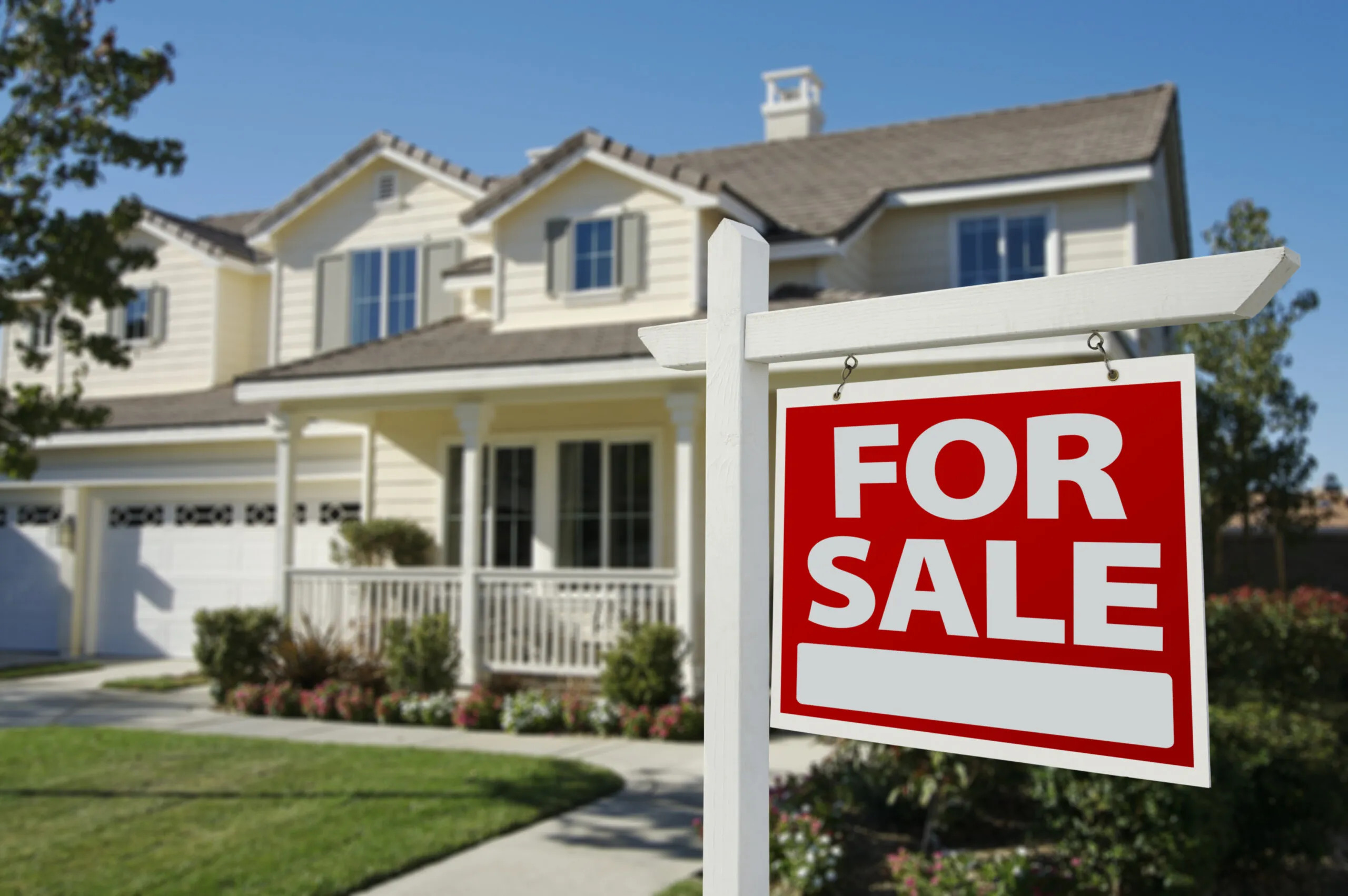
Imagine walking into your home for the last time, feeling the mix of nostalgia and excitement. Selling your house can feel overwhelming when deciding the right price, preparing for potential buyers, and handling paperwork, but it doesn’t have to be stressful. By approaching the process step by step, you can attract serious buyers, maximize your return, and sell with confidence.
Key Takeaways:
- Selling a home involves preparation, marketing, and negotiation.
- Proper pricing and presentation are essential for attracting buyers.
- Understanding common mistakes can save time, money, and stress.
- A structured approach ensures a predictable and efficient sale.
Understanding the Challenge
Selling a home in Detroit, MI, like many urban areas, can be competitive. Buyers are looking for move-in-ready properties, and first impressions matter. Homes that are poorly presented, priced incorrectly, or marketed inadequately often stay on the market longer and receive fewer offers. Understanding the process allows homeowners to approach the sale strategically, avoiding common pitfalls that can delay or derail a sale.
Step 1: Prepare Your House for Sale
Preparation is a critical first step. Buyers are drawn to homes that feel well-maintained and move-in-ready. Home staging ideas can help showcase your home’s potential and make it more appealing.
Start with a thorough decluttering process, removing personal items that might distract buyers. Deep cleaning, minor repairs, and small upgrades like fresh paint or updated fixtures can significantly increase appeal. Even landscaping and exterior touch-ups improve curb appeal for home sale, which is the first thing buyers notice.
- Repair leaks, squeaky doors, or damaged surfaces.
- Depersonalize rooms so buyers can envision themselves living there.
- Use neutral decor to appeal to a broad audience.
Proper preparation not only helps your home look its best but also signals to buyers that the property has been cared for, which can increase offers.
Step 2: Price Your Home Competitively
One of the biggest mistakes homeowners make is incorrect pricing. Pricing too high can discourage buyers, while pricing too low may leave money on the table. Start by researching recent sales in your neighborhood and analyzing comparable properties.
Consult a professional real estate agent to get expert guidance. Tools like online home valuation and pricing calculators provide a baseline, but local market knowledge is essential for accuracy. Consider a professional appraisal if you want a definitive starting point.
A competitive price attracts more buyers and can even spark bidding wars, ultimately leading to a faster and more profitable sale.
Step 3: Market Your Home Effectively
Even a perfectly prepared home will struggle to sell if buyers don’t know it’s available. Marketing is key. List your home on multiple property listing platforms, take high-quality photos, and consider a virtual tour to engage buyers online. Highlight what sets your home apart, whether it’s energy-efficient upgrades, a finished basement, or a large backyard.
- Share listings on social media and local community boards.
- Schedule open houses at convenient times to increase attendance.
- Use professional photos to make your listing stand out.
Effective marketing ensures your home reaches a wide audience and generates interest quickly.
Step 4: Show Your Home to Buyers
Showings and open houses give potential buyers a chance to experience your home firsthand. Prepare each room, maintain cleanliness, and make the space feel inviting. Small touches like fresh flowers, ambient lighting, and subtle scents can enhance the overall impression.
- Be flexible with showing times to accommodate buyers’ schedules.
- Highlight the home’s best features during tours.
- Remove pets and valuables to create a comfortable, distraction-free environment.
Feedback from showings can be invaluable. If multiple buyers note the same concerns, consider addressing them to increase your home’s appeal.
Step 5: Negotiate Offers
Receiving an offer is just the beginning. Carefully evaluate all aspects, not just the price. Consider contingencies, financing, and closing timelines. Using real estate negotiation techniques can help you respond strategically, maintaining a balance between maximizing value and keeping the process smooth.
- ● Counteroffer if the initial offer doesn’t meet your expectations.
- ● Be prepared to compromise on timing, minor repairs, or included furnishings.
- ● Keep communication professional and prompt to maintain buyer interest.
Negotiation is an opportunity to optimize the deal while building goodwill with the buyer.
Step 6: Close the Sale
The closing process involves inspections, paperwork, and transferring ownership. Staying organized is crucial to avoid delays. Following a closing checklist ensures that nothing is overlooked, from the final walkthrough to utility notifications.
- Confirm that the buyer’s financing is secured.
- Schedule and attend the final walkthrough to address any issues.
- Coordinate signing documents with your agent, attorney, or title company.
Closing is the final step where preparation, marketing, and negotiation all come together. A well-managed closing leaves both parties satisfied and helps prevent last-minute complications.
Step 7: Avoid Common Mistakes
Many homeowners unintentionally make errors that delay sales or reduce offers. Common mistakes include:
- Overpricing or ignoring local market trends.
- Neglecting minor repairs or failing to stage the home.
- Limiting showings or making the property less accessible.
- Skipping professional guidance during negotiations or closing.
Being proactive and informed prevents these issues, ensuring a faster, smoother sale.
Framework: 7-Step Home Selling Process Table
| Step | Key Action | Tip | Outcome |
| 1 | Prepare Home | Declutter & repair | Increased buyer appeal |
| 2 | Price Home | Research comps | Competitive listing |
| 3 | Market | Professional photos & listings | High visibility |
| 4 | Show | Flexible showings | Positive first impressions |
| 5 | Negotiate | Evaluate offers holistically | Maximize value |
| 6 | Close | Follow checklist | Smooth transfer |
| 7 | Avoid Mistakes | Learn common errors | Faster sale |
Quote
“Selling a home is more than a transaction; it’s guiding someone into the next chapter of their life.”
Jane Thompson, Real Estate Expert
Real-World Scenario
Consider Sarah, a homeowner in Detroit, MI, who wanted to sell quickly to relocate for work. By following these 7 steps, she staged her home, priced it competitively, and marketed it effectively online. Within two weeks, she received multiple offers above the asking price and closed without any delays. Her structured approach minimized stress, maximized her return, and left her confident in the process.
Conclusion
Selling a home doesn’t have to be stressful. By preparing carefully, pricing strategically, marketing effectively, and avoiding common mistakes, you can sell your house smoothly and confidently. Following a structured 7-step approach helps attract serious buyers, streamline the process, and maximize your return. If you’re ready to take the next step, consider hiring a professional to list home for sale Detroit, MI and guide you through the process efficiently.
Summary
Selling a house is a structured process that benefits from preparation, strategy, and expert guidance. From staging and pricing to marketing and negotiating, each step contributes to a smoother, faster sale. Avoiding common mistakes and following proven steps ensures that your home attracts serious buyers and closes successfully. With this approach, selling your house can be a confident, predictable, and rewarding experience.
FAQ
1. What makes a home sell quickly?
Homes that are well-staged, priced accurately, and marketed broadly tend to sell faster.
2. How should I price my house?
Use comparable sales, professional appraisals, and local market trends to set a competitive price.
3. When is the best time to sell a house?
Spring and early summer are traditionally high-traffic seasons, though local market conditions may vary.
4. Do I need a real estate agent?
A skilled agent provides pricing guidance, marketing support, and negotiation expertise.
5. What common mistakes should I avoid?
Overpricing, neglecting repairs, limiting showings, and ignoring contract details are frequent errors.